
Research
Syphilis Pathogenesis

Syphilis is a sexually and vertically transmitted infection (STI) caused by the spirochete bacterium Treponema pallidum subspecies pallidum. The disease progression of syphilis features multiple stages and diverse clinical manifestations that can result in hearing or vision loss, central nervous system involvement and congenital infections in pregnant individuals. In the Lithgow Lab, we study the molecular pathogenesis of T. pallidum to understand syphilis acquisition and transmission in the female genital tract.
Bacterial Vaginosis

Bacterial vaginosis (BV) is a polymicrobial infection of the lower female genital tract. The Lithgow Lab investigate how specific BV-associated bacteria alter the cervicovaginal niche to increase the risk for sexually transmitted infections and trigger pregnancy complications. Using a combination of in vitro modelling, proteomics and protein biochemistry, we examine how secreted enzymes from BV-associated bacteria disrupt female genital tract epithelial barriers and dysregulate human bioactive proteins.
Vaginal Lactobacilli

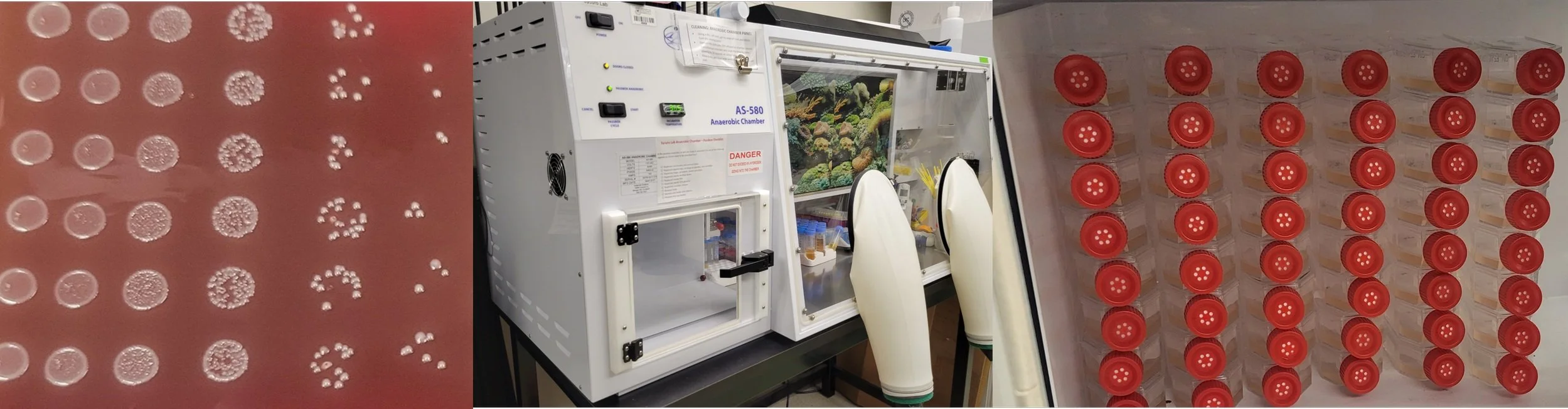
The optimal vaginal microbiome is comprised of a simple community structure, featuring dominant colonization by one of four different Lactobacillus species. These bacteria produce lactic acid that acidifies the vaginal environment and excludes other microbes from being able to colonize. The Lithgow Lab investigates how lactobacilli respond to environment fluctuations in nutrient availability, pH and oxygen, with the goal of understanding how these beneficial bacteria maintain their dominant vaginal colonization.
Images Created in BioRender